Latvia will seek an emergency meeting of the United Nations Security Council in response to Russia’s latest heavy attacks on Ukraine, Latvian Foreign Minister Baiba Braže said on Friday.
Russia earlier carried out renewed large-scale airstrikes on Ukraine and said it had, for the second time since the start of the war, used its nuclear-capable Oreshnik intermediate-range missile in stike on the western city of Lviv, not far from the border with Poland.
"Latvia will request an extraordinary meeting of the UN Security Council in response to Russia’s barbaric attack against Ukraine, including using an intermediate range ballistic missile close to the EU and NATO border," Braže wrong on X.
Latvia took up a non-permanent seat on the Security Council for the first time on January 1 and will serve on the UN’s most powerful body for two years.
The Baltic EU and NATO member, which borders Russia, is a close partner and supporter of Ukraine, which has been fighting a Russian invasion for nearly four years.
latest_posts
- 1
 There was a bit of toilet trouble on NASA's Artemis 2 mission to the moon
 - 2Four new luxury hotel openings in Italy you need to know about
- 3Doctor's orders? ‘Belly laugh at least two to five days a week'
- 4Polls open in tense Uganda election amid widespread delays
- 5Slovakia rejects EU call to scrap higher fuel prices for foreign cars



- Arrow Exploration brings new Colombian oil well on stream ahead of schedule and under budget
- New movies to watch this weekend: See 'The Running Man' in theaters, rent 'One Battle After Another,' stream 'Nobody 2' on Peacock
- Cyprus urges hotels to open up, pours funding into tourism
- Virtual reality opens doors for older people to build closer connections in real life
- The Most Compelling Books of the 10 years
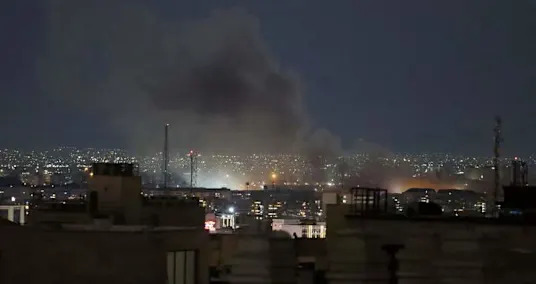
- IDF strikes Tehran command centers, weapon production sites
- BravoCon 2025: How to watch, full schedule and lineup, where to stream free and more
- 5 Family SUVs for 2024: Which One Accommodates Your Family's Needs\uff1f
- How HIV/AIDS got its name − the words Americans used for the crisis were steeped in science, stigma and religious language