The post came in reply to a post from the United Nations Relief and Works Agency (UNRWA), saying that freshwater supplies in Gaza were "severely limited and polluted."
Gaza is receiving over 70,000 cubic meters of water per day, the Coordinator of Government Activities in the Territories (COGAT) claimed in an X/Twitter post on Sunday.
The post came in reply to a post from the United Nations Relief and Works Agency (UNRWA), saying that freshwater supplies in Gaza were "severely limited and polluted," due to a collapse in sewage infrastructure.
COGAT described UNRWA's claims as being "false narratives."
COGAT coordinates Gaza water line repair
"The facts speak for themselves," COGAT said. "When a water line issue was reported last week, we coordinated a rapid repair to restore full functionality immediately."
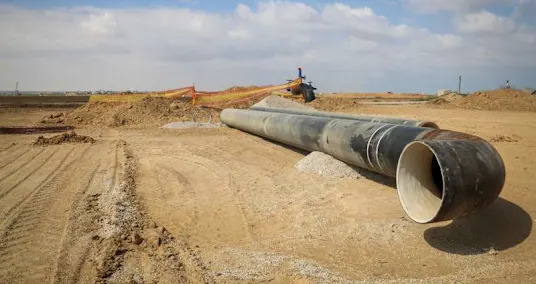
COGAT also said that there were four active pipelines leading into Gaza: Nahal Oz, Bani Suheila, Birkat Sa'id, and the Emirati line.
"While local groundwater faces challenges, we continue to repair infrastructure, even during combat, to ensure civilians access to safe, potable water," COGAT claimed.
latest_posts
- 1
 Instructions to Adjust Work, Life, and Seeking after a Web based Advertising Degree
 - 210 High priority Contraptions for Tech Aficionados
- 3Brazil's agricultural research agency gets cannabis research greenlight
- 4Don't fall for it: These common tourist scams in Rome are easy to avoid if you know what you're looking for
- 5The Delight of Camper Vans: Choosing the One That Meets Your Requirements





- Criminal Guard Lawyer Expenses: What Would it be advisable for you to Hope to Pay?
- The Best Internet based Courses for Expertise Improvement
- Favored Chinese Dish: Make Your Determination
- IDF Givati Brigade soldier arrested, charged in suspected Iran espionage
- Andrew McCarthy's awe-inspiring image of a skydiver in front of the sun
- Russia Fields New Ulan-2 All-Terrain Tactical Vehicle
- After fleeing past Hezbollah fighting, some Israelis on northern border vow to stay
- Solar storms have influenced our history – an environmental historian explains how they could also threaten our future
- Mickey Lee of 'Big Brother' fame dead at 35 after flu complications, family says